Cultural Virology
Models of Interaction from Modernity to the Digital Age
Heinrich Heine University Düsseldorf
2019
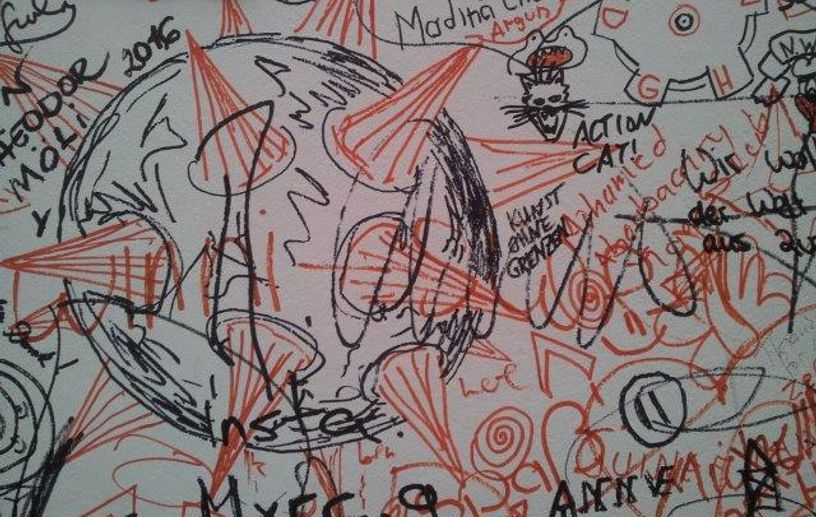
The virus is a central concept in arts and technology of the 20th and 21st century as the now commonly used expression „to go viral“ in social media suggests.
Keywords
Virus, infection, alien element, boundary crossing, genetic transfer
Summary
The current discussion on virality derives from early molecular biology and information theory of the 20th century, but gained actual metaphoric influence and virulence only in the 1960s and is becoming very popular in Postmodernity with the dramatic appearance of AIDS and the discovery of HIV as a retroviral phenomenon. It is suggested that the virus as a medium for change be regarded in relation to the technological conditions of preserving and transforming cultural information. Especially in the context of Dada and Fluxus, artistic demands of modernity such as opening up, permeability, interaction and participation are interpreted and analysed with the help of “infectious agents” as visions of biologically inspired intermediality. It seems that viral models of interaction and transmission have contributed to the current digital participation culture and to the supposed convergence of life and art of today and eventually shaped it in the course of cultural evolution.
Thus a larger picture is evolving of the virus as a cognitive figure representing interaction, transmission, interdisciplinarity, connectivity and the interdependency of art and science in the 20th and 21st centuries.